Daily Steps
Body Weight
Calories (In)
Sleep Duration
Setup
its the one to rule them all
Tired of feeling sluggish and out of shape? Get ready to follow our simple plan that will guide you to small, consistent changes you can make today enabling you to lose 10 lbs in the next 90 days!
We will accomplish this by making small changes to how we approach our daily eating and activity.
Losing 10 lbs in 90 days is a sustainable and realistic goal, requiring a deficit of roughly 400 calories per day. Here is your roadmap to get there:
Phase 1: Foundation (Weeks 1–4)
Establish a Baseline: Use a tool like the BodySpec 12-Week Blueprint to calculate your maintenance calories and subtract 400 for your daily target.
Prioritize Protein: Aim for a high-protein breakfast to curb mid-day snacking.
Walking Habit: Start with 15–20 minute walks, aiming for at least 7,500 steps daily as recommended by EatingWell.
Hydration: Drink half your body weight in ounces of water daily; drinking water before meals can naturally reduce calorie intake.
Phase 2: Momentum (Weeks 5–8)
Strength Training: Introduce 2–3 full-body strength sessions per week using progressive overload to preserve muscle while losing fat.
Meal Prep: Dedicate Sundays to prepping high-fiber meals. Fiber helps you feel full longer, which is critical for long-term consistency.
Sleep Hygiene: Prioritize 7+ hours of sleep. Lack of sleep disrupts appetite hormones, making it harder to stick to your calorie goals.
Each check in day, set up your next weeks meal plan to follow based on your desired caloric reductions and macro nutritional balances
Why this matters
Managing your food consumption is the #1 factor in weight gain/loss and has a much greater impact than your physical activity. Having a plan in place for what you will eat beforehand ensures you will stick to what your have already determined your body needs and reduces the risk of you making a short sighted decision when you are hungry.
How to apply it
After you predetermined what your macro nutrient and caloric intake goals should be to sustain the weight loss, you will know how to plan your meals to be in congruence.
2
Create A Weekly Exercise Routine
Weekly on Sundays
On checkin day, plan out what your physical activities will be on which days for the coming week
Why this matters
having physical activity planned ahead of time will enable you to actually do it! as you team up physical activity with your nutritional actions it will reinforce your choices and progress
How to apply it
based on the phase of this plan you are in, follow the recommended regiments. have a variety of physical activities that cover cardio and strength related trainings that target different muscles groups. work with your coach to define this in greater detail specific to your body conditions and interests.
3
Walk Daily 7500 Steps
Daily
4
Strength Training Sessions
Weekly on Mondays, Wednesdays, and Fridays
Use a 3-day split of targeted strength training exercises designed for consistency and muscle balance.
Why this matters
strength training will help build muscle, the more muscle your body has, the more resting calories you burn. isolating certain muscle groups on certain days allow maximum effort and recovery time for optimal results
How to apply it
For each exercise, aim for 3 sets of 8–12 reps, resting about 60–90 seconds between sets.
Monday: Chest & Biceps
Focus on compound movements for the chest followed by targeted bicep isolation.
Muscle Retention: Helps build or maintain muscle mass, especially when incorporating strength-based, high-intensity movements.
Versatility & No Equipment: Can be done anywhere (e.g., bodyweight exercises, running, cycling) and is adaptable to various fitness levels.
In addition to these, HIIT promotes mental benefits, such as stress relief. It is highly effective for improving both aerobic and anaerobic fitness simultaneously.
How to apply it
7 HIIT Workouts to Try
First, ensure a clear space in front of and around you. Grab a supportive, well-fitting pair of tennis shoes and take a few deep breaths to ground yourself.
Next, pick a few exercises below to practice with as much energy as possible for 30 seconds. Set a loud timer, and once it goes off, begin your 30-second rest period.
That’s right, you get to rest in this HIIT workout! Resting is a crucial part of any exercise routine. In fact, some HIIT workouts have more rest than movement. Check out this additional resource to see how timing can vary across different types of interval training.
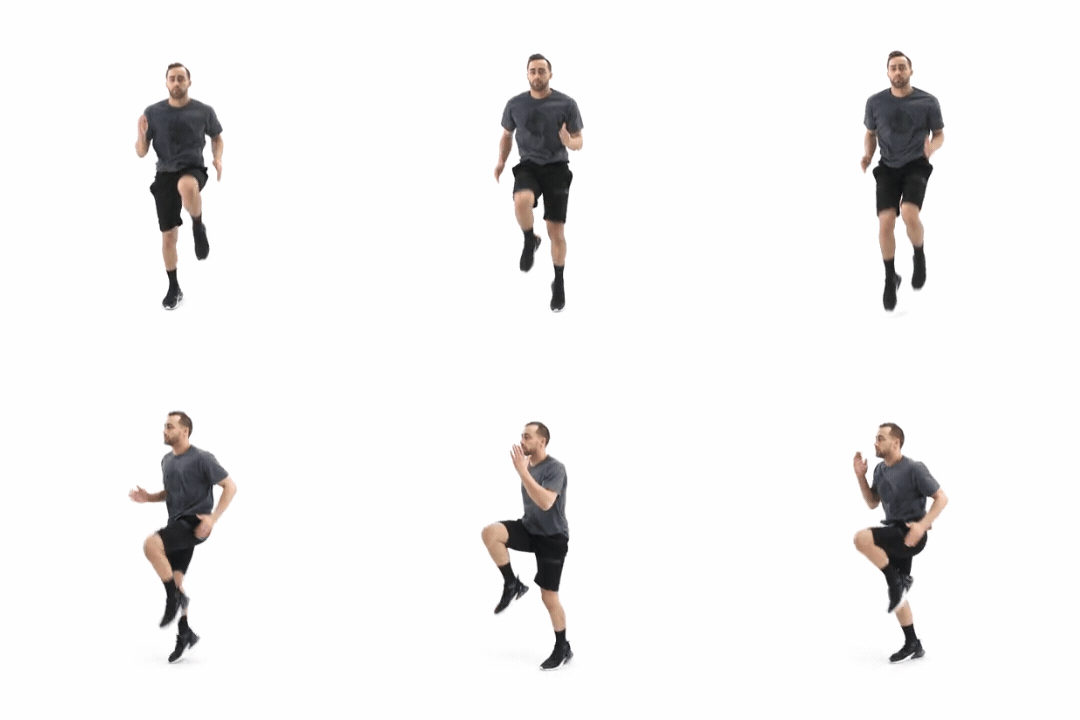
1. High Knees
Stand with your feet hip-width apart and lift one knee towards your chest while hopping on the other foot. Alternate legs quickly, keeping your core engaged and maintaining a steady pace.
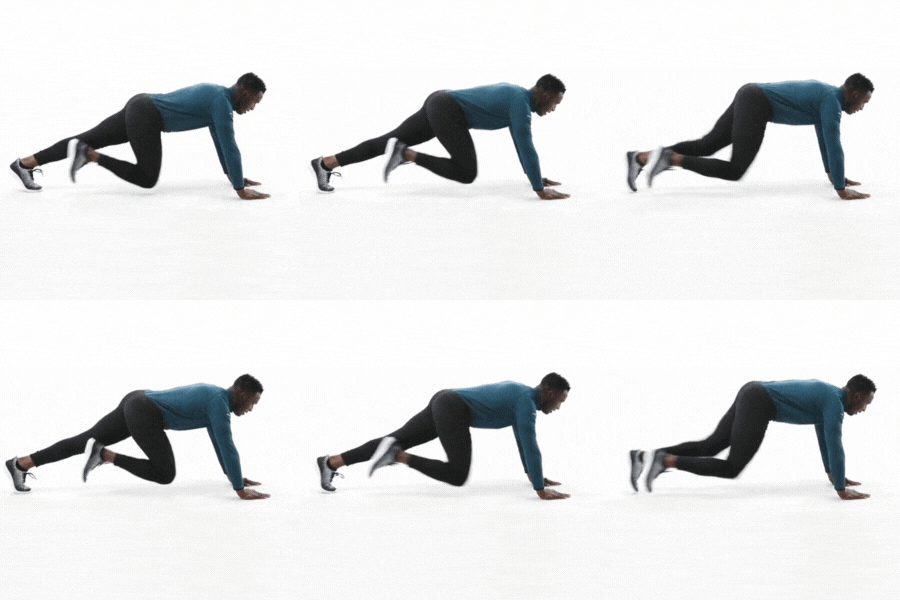
2. Mountain Climbers
Mountain climbers will get your heart rate going! Begin in a high plank position, hands flat on the ground and arms straight. Alternate the feet forward and backward in a quick, fluid motion, keeping the core tight and hips low.
3. Butt Kickers
Stand with feet shoulder-width apart. Begin jogging in place at a comfortable pace. With each step, bring each foot back and up towards your bottom. Pump your arms as if you’re running and be careful to maintain your balance.
4. Jumping Jacks
For a jumping jack, begin with your feet together and arms at your sides. As you jump up, spreading your feet shoulder-width apart, clap your hands above your head. Return to the first position again quickly by bringing your feet together and your arms back by your sides. Try keeping your breathing rhythm with the movement for a challenge!
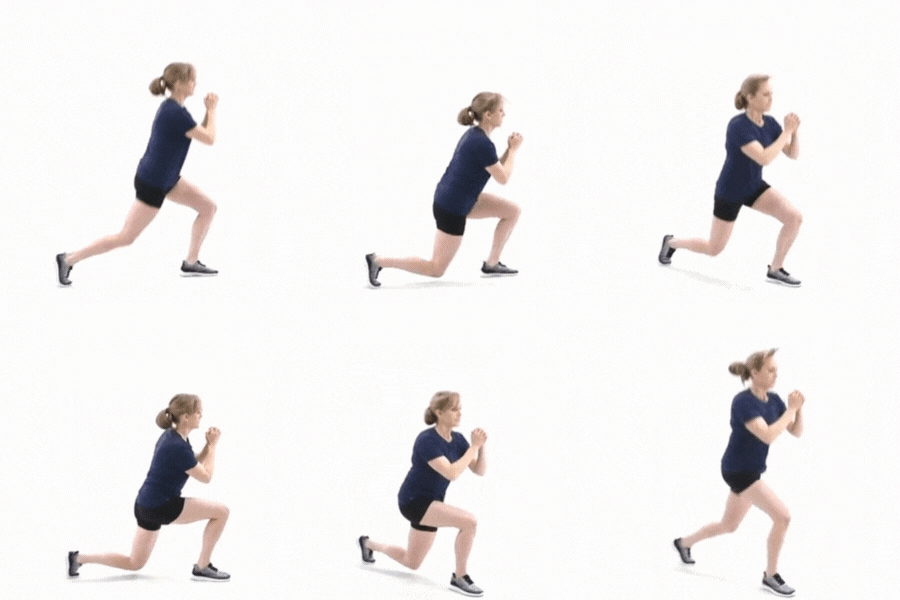
5. Lunge Jumps
Lunge jumps are a HIIT exercise where you begin in a standing lunge position. Stand with your feet shoulder-width apart, step forward with your right foot, bend both knees, push off both feet to jump into the air, bring your left foot forward and kick your right foot back, and return to standing lunge position. Repeat, alternating between legs.
6. Low Impact Lunges
Low-impact lunges are great for strengthening your lower body without overworking your joints. You can do them by stepping forward with one foot, bending your front knee to a 90-degree angle, pushing yourself back to the starting position, and repeating with the other leg.
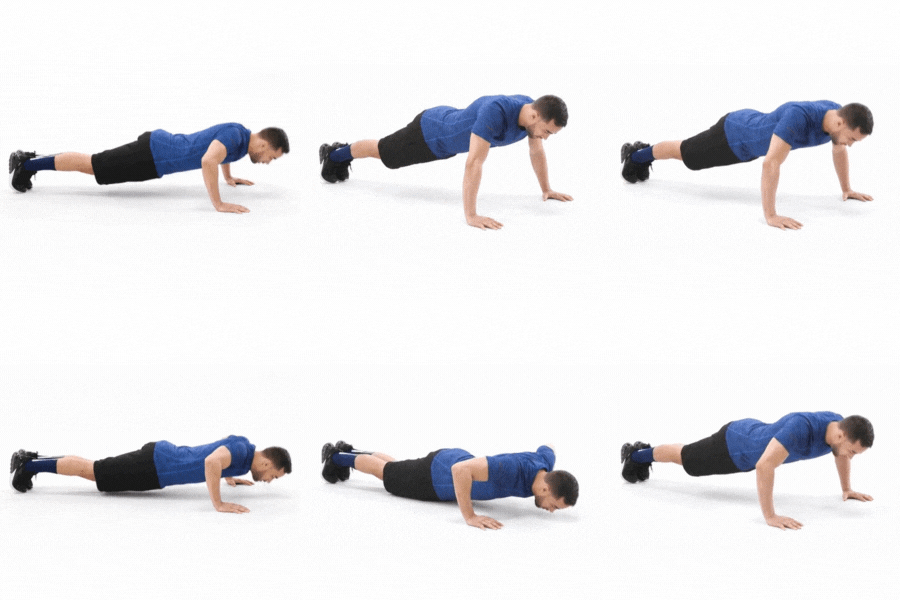
7. Push-Ups
Push-ups don’t have to be intimidating! To perform a push-up, start in a plank position with your hands slightly wider than shoulder-width apart. Lower your body until your chest touches the ground, then push back to the starting position. In a HIIT workout, you will aim to continue performing push-ups for the whole time rather than aim for a certain number of push-ups. Our helpful guide on push-ups for beginners can be a great resource when starting—modifications included!
Of course, when beginning any new fitness routine, knowing your limits regarding physical activity is essential. Beginners should incorporate HIIT workouts gradually—once or twice a week—to strengthen muscles, as HIIT workouts are high-intensity. It’s best to start with familiar activities and keep each exercise under 30 seconds before a rest period.
It’s important to start slowly—don’t move straight from zero weekly cardio activities to daily 30-minute HIIT workouts. It’s more sustainable and safe to build endurance over time.
Reviews & Ratings
0.0
Based on 0 reviews
No reviews yet. Be the first to share your thoughts!





Comments