This is a practical, beginner-friendly plan to start and sustain a ketogenic (keto) eating plan. The ketogenic diet is a high-fat, moderate-protein, very low-carb way of eating (typically under 20-50g net carbs per day) that shifts your body into ketosis, where it burns fat for fuel instead of glucose. The plan includes understanding the basics, clearing out non-keto foods, stocking up on approved items, planning meals, tracking intake and progress, and adapting for long-term success. The goal is to enter ketosis within 3-7 days, feel energized, and achieve benefits like weight loss, stable energy, and better appetite control.
Why it works
Keto works by drastically reducing carbs, which depletes glycogen stores and lowers insulin levels, prompting the liver to produce ketones from fat. This metabolic shift provides steady energy without blood sugar spikes/crashes. Strict carb limits (backed by the food pyramid and lists) ensure ketosis; high fat keeps you satiated to prevent overeating; moderate protein supports muscle. Tracking (macros, ketones) provides feedback and accountability. Together, these create rapid adaptation (often called "keto flu" phase passes quickly with electrolytes), visible results (weight loss from water/fat), and sustainability through enjoyable high-fat foods—many people maintain it long-term for health/weight goals.
Challenges
Keto flu (fatigue, headaches, irritability in first week) → Overcome by increasing electrolytes (sodium, potassium, magnesium) via broth, salt, supplements; stay hydrated.
Carb cravings/social situations → Plan keto-friendly alternatives; eat before events; focus on satisfying fats.
Hidden carbs in foods → Read labels carefully; use tracking apps to catch them.
Plateaus or stalls → Adjust calories/macros, add intermittent fasting, or increase activity; patience is key as body adapts.
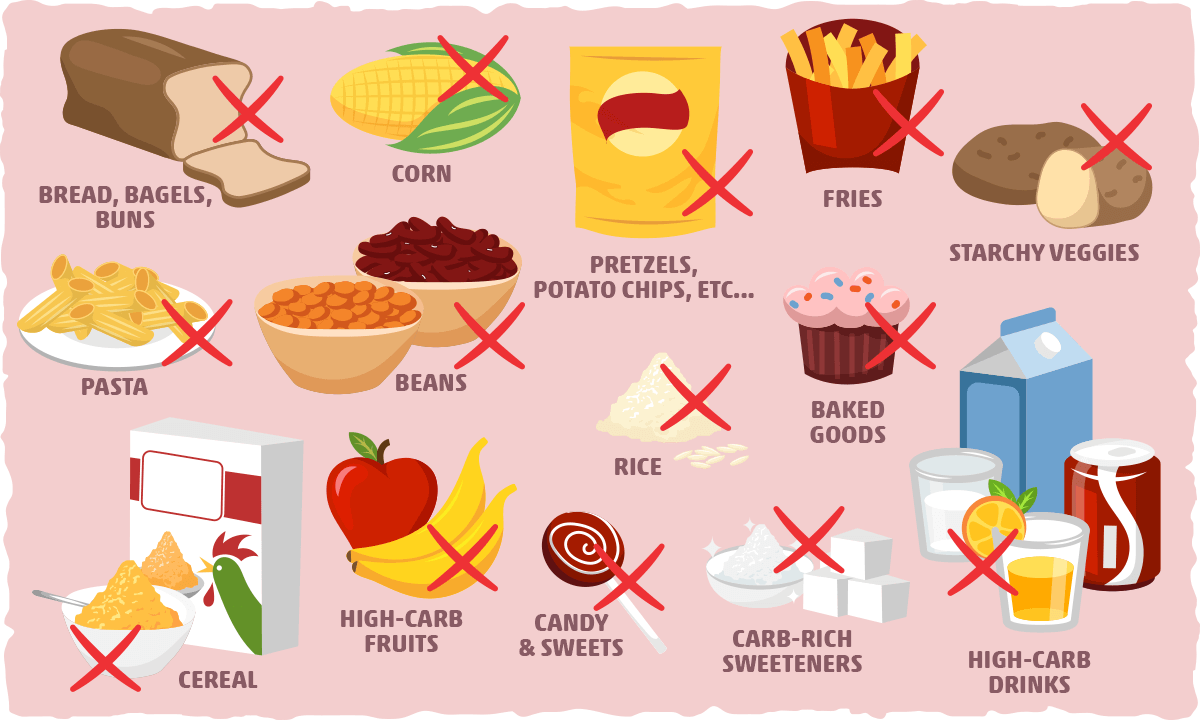
Clear out non-keto foods and create a keto grocery list
Why this matters
Removing temptations (bread, sugar, etc.) makes adherence easier. A solid list ensures you have satisfying, compliant foods on hand. Skipping this leads to accidental carb intake and frustration.
How to apply it
Go through pantry/fridge; donate or discard high-carb items. Shop for: meats, fatty fish, eggs, full-fat dairy, avocados, nuts, low-carb veggies, oils/butter. Use a printable/app list. Prerequisites: Grocery budget; access to store or online shopping.
2
Learn Your Macros
Target (Number of times)
: 1
Learn the keto basics and commit to starting—no half-measures.
Good fats i.e. Avocados, Olive Oil
Learn the difference between good and bad fats. Keto is not just about eating bacon and drinking heavy cream!
ketogenic.comCarbs and Sugars are hiding in many things you would've expect!
It takes time for your body to switch from burning carbohydrates (glycogen) as its primary fuel source to fat.
Initial Phase (Days 1–14): The body uses up stored glycogen and adapts to lower carb intake, often resulting in fatigue or cravings.
Adaptation Phase (Weeks 3–4): The body starts shifting to fat as its primary fuel source.
Full Adaptation (4+ Weeks): The body is efficient at utilizing fat for energy, with improved energy levels, mental clarity, and reduced hunger.
Influencing Factors: Consistency is critical; deviations can reset the process. Some individuals may take longer, up to several months, to reach full efficiency.
Why this matters
Understanding macros (typically 70-80% fat, 15-20% protein, 5-10% carbs) and what ketosis means prevents common mistakes like too much protein or hidden carbs. Commitment avoids "cheat days" that kick you out of ketosis early. Without this foundation, progress stalls or fails.
How to apply it
Read reliable sources (e.g., Diet Doctor, Ruled.me). Calculate macros using a free keto calculator (input age, weight, height, activity, goal). Set daily net carbs to 20-30g to start. Use something a tracker like myfitnesspal to lookup macros of foods.
3
Track Macros/Ketones
Daily
Track your intake, ketones, and symptoms daily. If you do not wish to track your ketones at least track your net carb daily intake and shoot for a range of 25g-50g depending on your body
Tracking confirms you're in ketosis and hitting macros; ketone testing motivates and catches issues early. Monitoring symptoms helps adjust (e.g., more salt for keto flu). Without tracking, it's easy to drift off-plan.
How to apply it
Use an app for food logging. Test ketones (urine strips cheap to start; blood meter more accurate). Weigh/measure weekly; note energy/mood. Prerequisites: App download; optional ketone tester ($20-50). Log every meal/snack.
4
Meal Plan
Weekly on Sundays
Plan your meals ahead of time
Why this matters
Pre-planning prevents impulsive high-carb choices. Simple, high-fat meals keep you full and in ketosis. Preparation builds habits and makes the transition smoother—many see energy stabilize after week 1.
How to apply it
Choose 3-5 easy recipes (e.g., eggs/avocado, salmon with veggies, salads with dressing). Batch-cook proteins/veggies. Track macros in an app. Prerequisites: Ingredients from Step 2; basic kitchen tools. Start with 3 meals + snacks daily.
Reviews & Ratings
0.0
Based on 0 reviews
No reviews yet. Be the first to share your thoughts!




Comments